Hedging Plants UK
Evergreen and bare root hedge plants delivered
Choose the right species for privacy, shelter and style
Minimum 10 plants
Laurel, holly, yew and conifers Explore everything in the range
Explore our most popular hedging
Our most popular hedge plants
Use the arrows to browse our bestselling hedge plants.
Plants for winter gardens
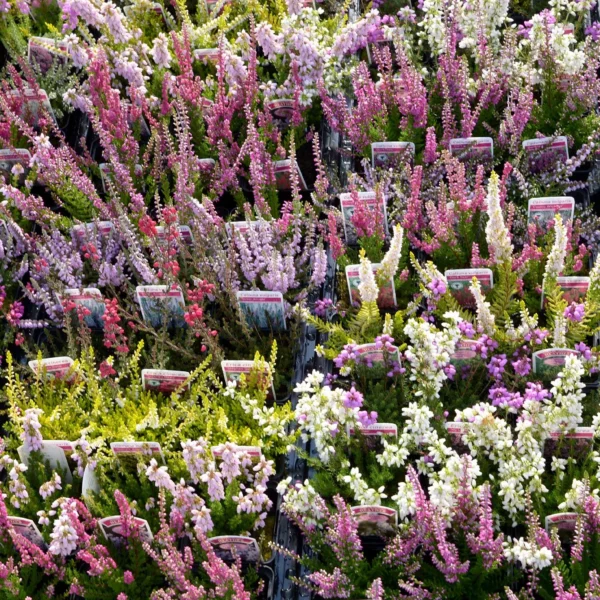
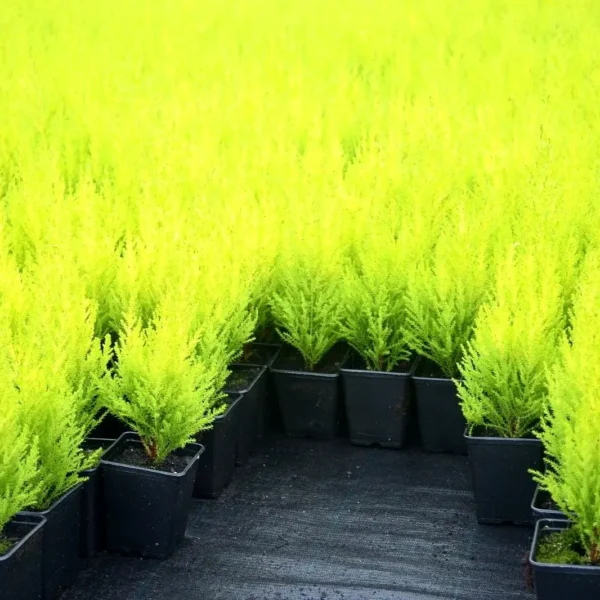
Add winter interest to pots and borders with heathers, conifers and evergreen shrubs.
Hedging for businesses and commercial sites
Find hedging for business premises, grounds and larger planting schemes. We can help you consider access, privacy screening and how to look after the plants.
Find a hedge that suits your needs
Cherry laurel and Portuguese laurel varieties
See which evergreen plants could work along your garden boundary.
Leylandii and other conifers for hedging
See the heights and pot sizes currently available.
Other plants for your garden
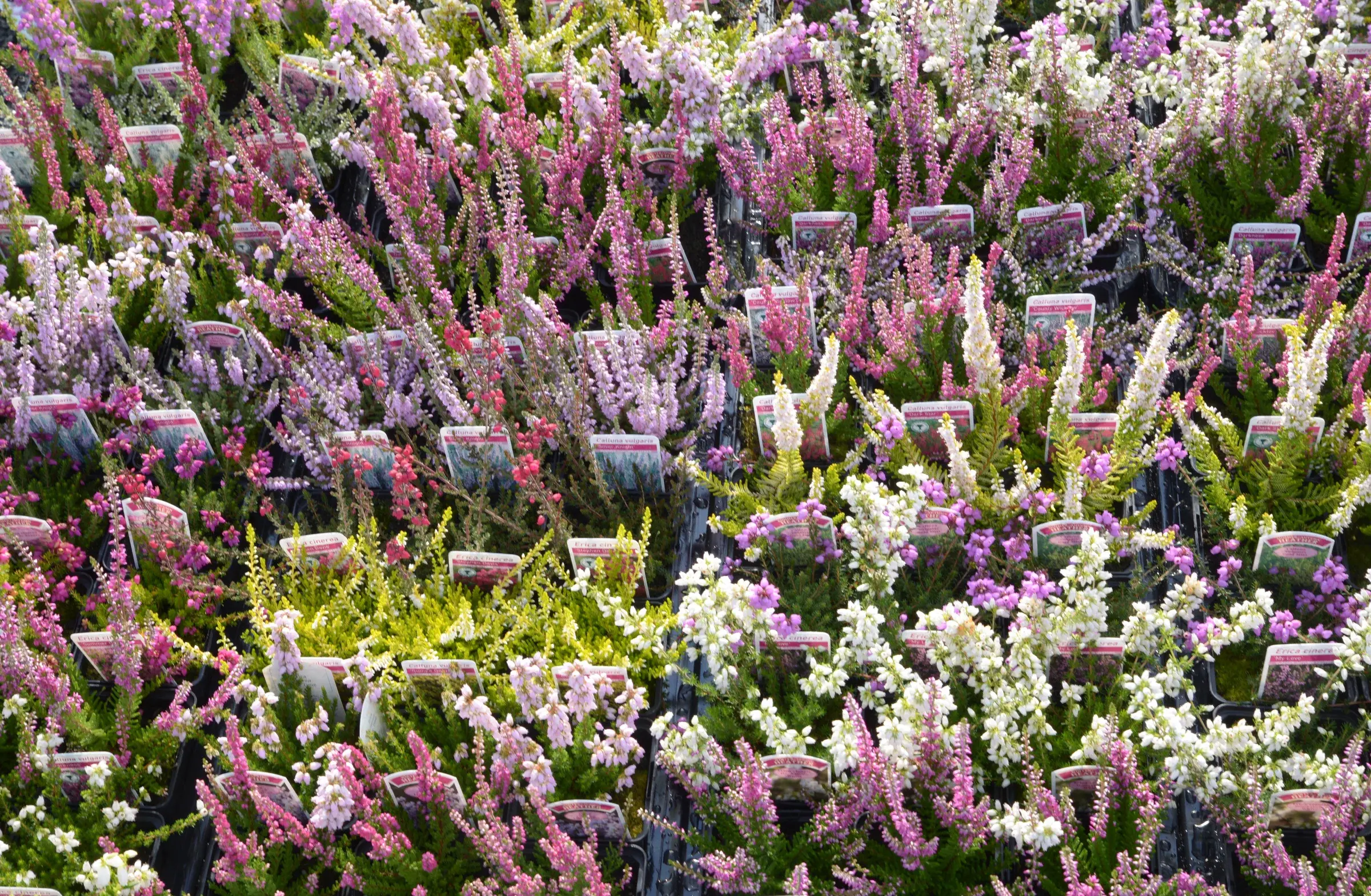
Heathers
Check available plants and sizes
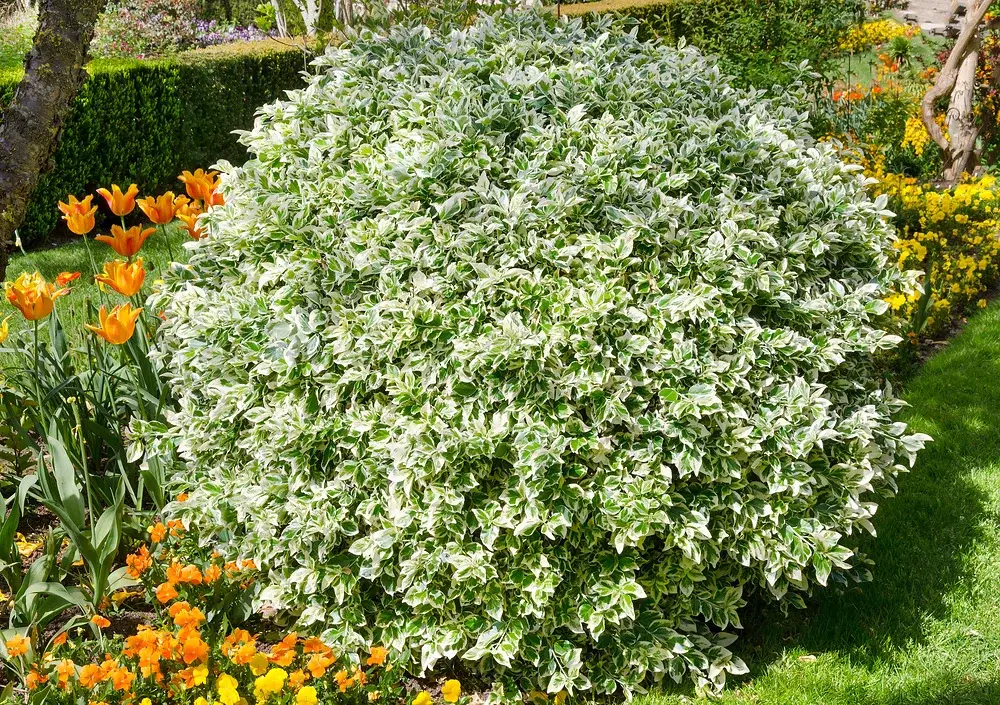
Garden shrubs
Check available plants and sizes
What you’ll get with your order
Each plant page tells you how tall the plants will be when supplied, their pot size, the minimum number you can order and whether they’re in stock.
What our plant sizes meanWhat our plant sizes mean
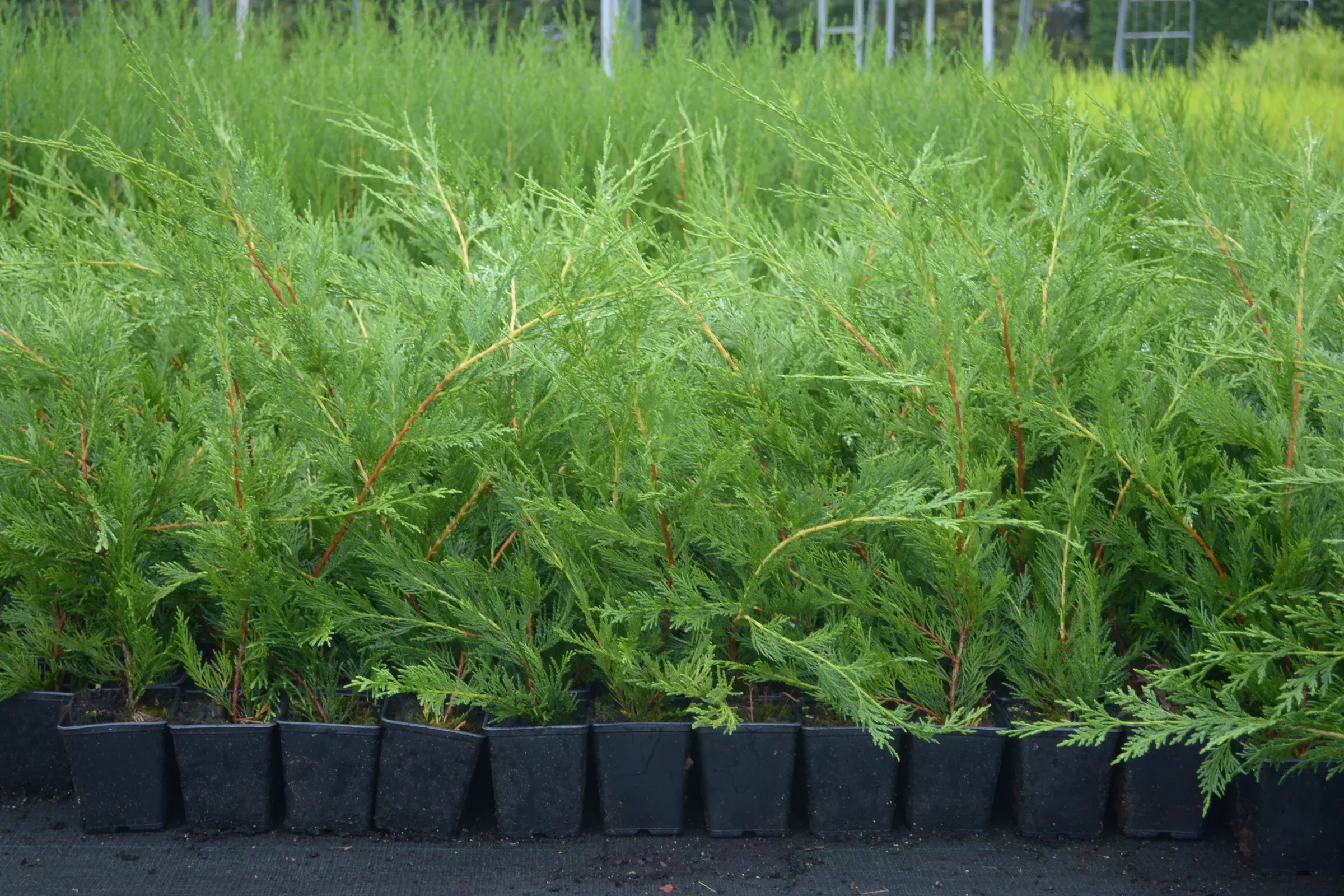
How to read plant heights and pot sizes
Garden ideas and advice
Explore our entire plant range

Explore the full selection of 83 products
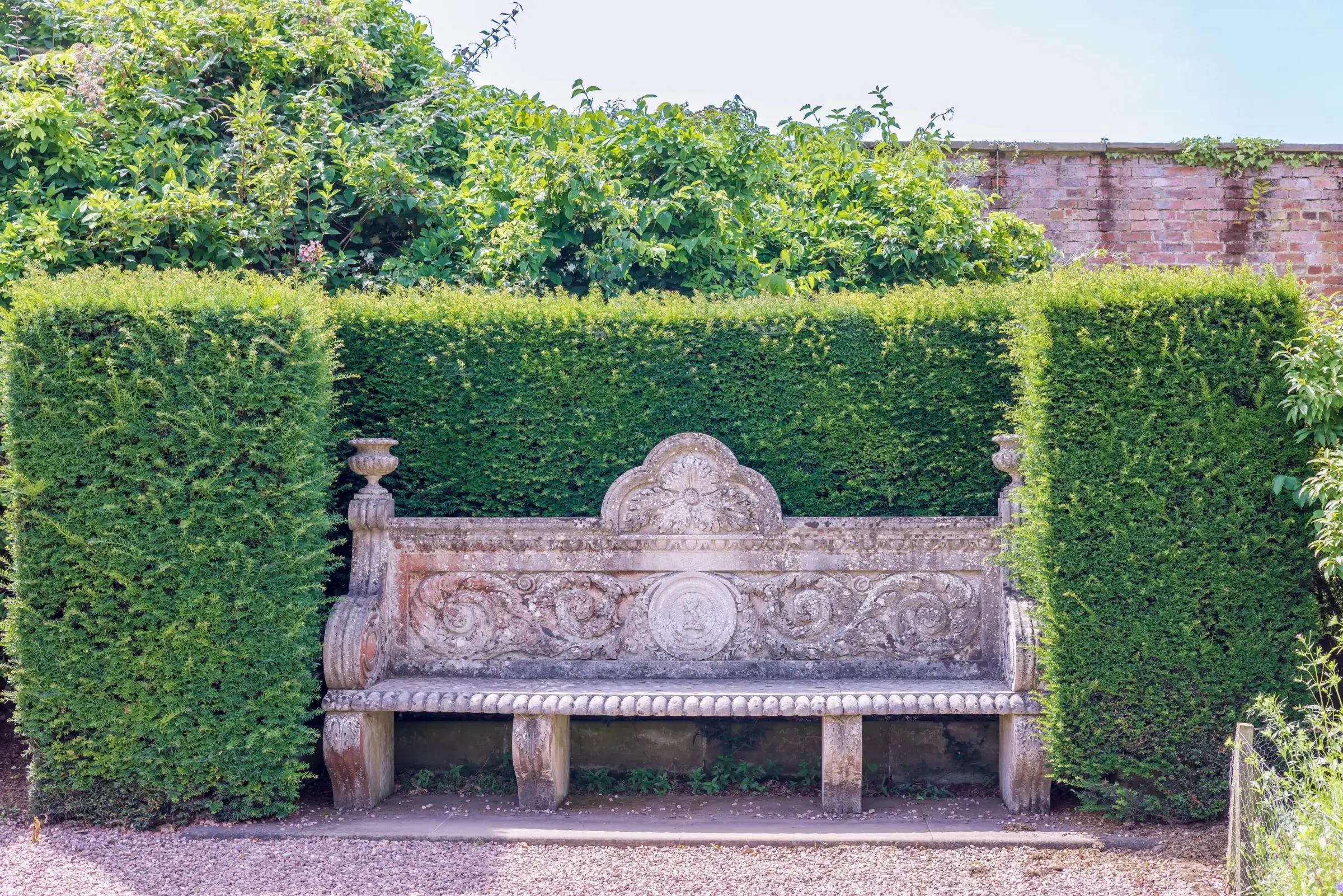
Free 48 hour courier delivery on every order
Sent to UK addresses, whatever the size of your order.
How our free delivery worksHedging plants for boundaries that work all year
A well-chosen hedge can screen an overlooked garden, soften a boundary and give you shelter from the wind. Cherry laurel and green Leylandii grow quickly where you need height, while English yew and holly develop more slowly into dense evergreen hedges. Green beech brings copper-brown leaves in winter, and semi-evergreen privet makes a practical clipped boundary. Start with the space you have, then compare planting sizes, root types and the number of plants needed for your hedge.
Evergreen hedging plants hold their leaves through winter, so you get privacy all year. Deciduous species like beech and privet can still work well: beech often keeps its brown leaves until spring, while privet stays mostly green in mild winters. Think about the soil, light and finished height before you order, and check our planting guides for practical steps from preparation to aftercare.
Comparing hedging plants: laurel, Leylandii, yew, holly, beech and privet
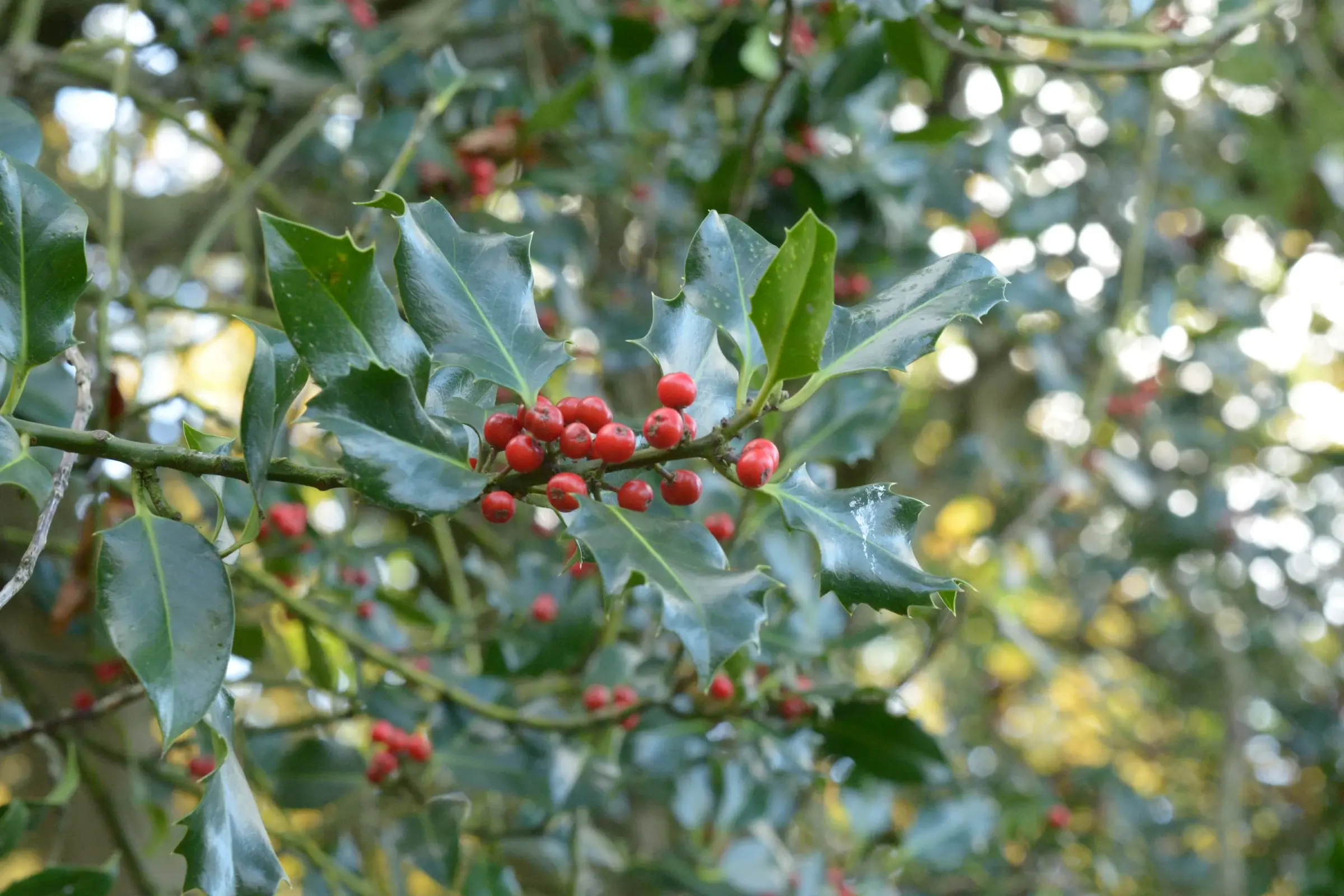
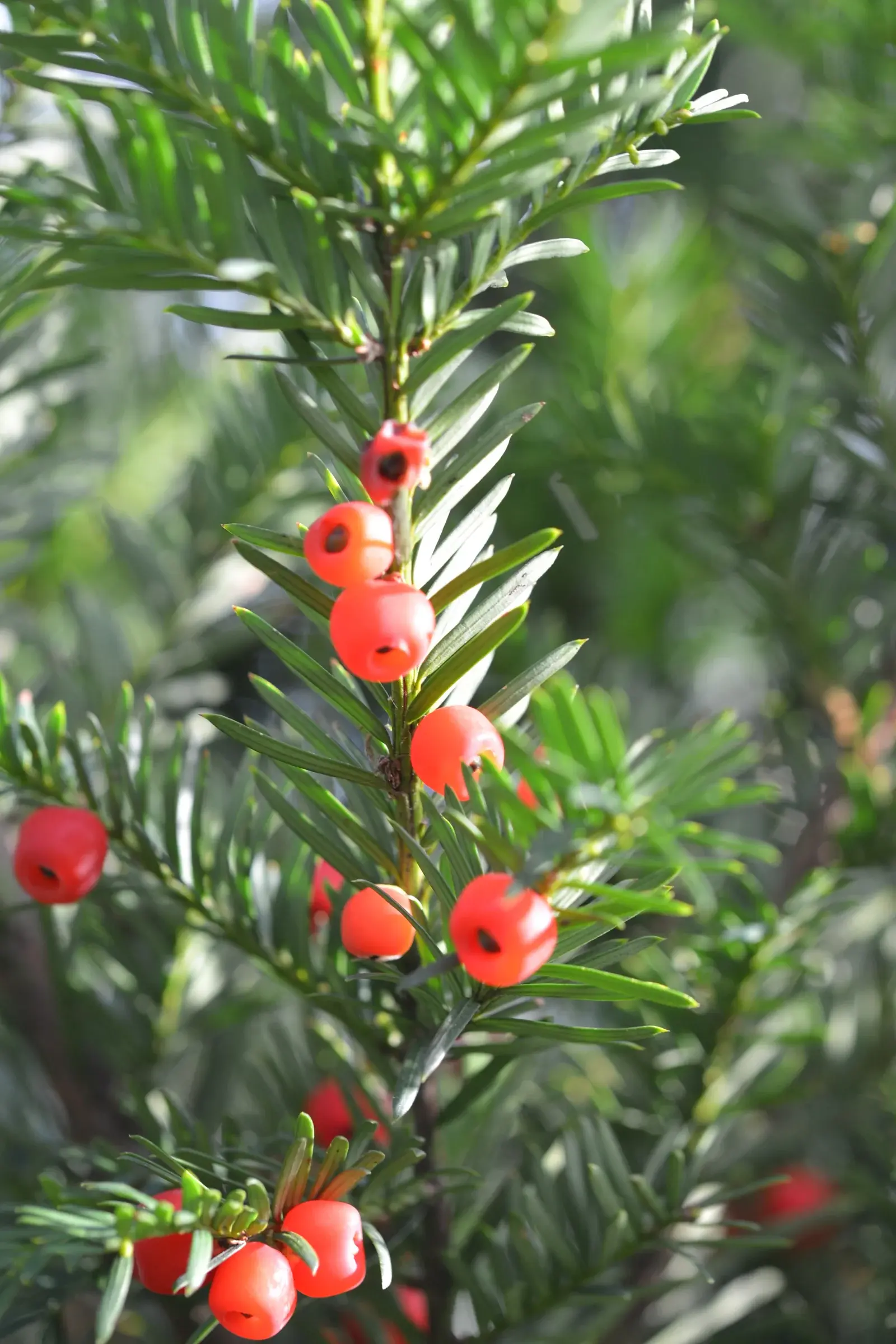
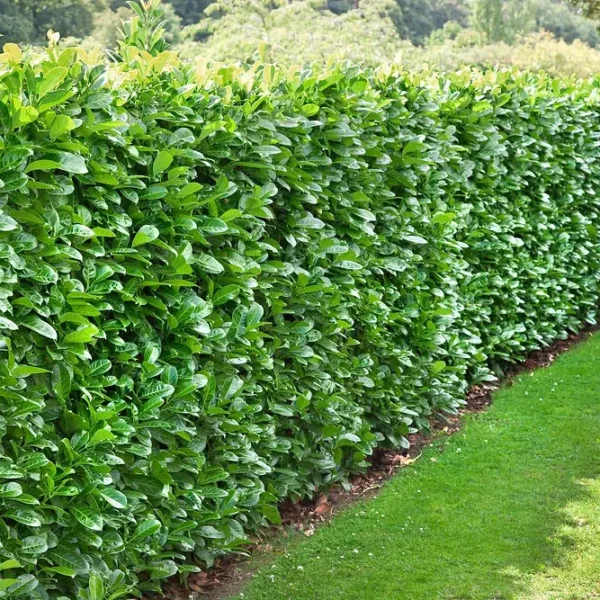
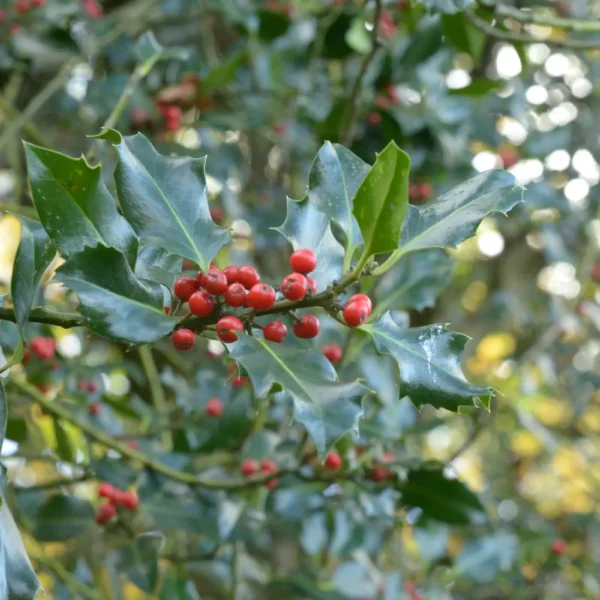
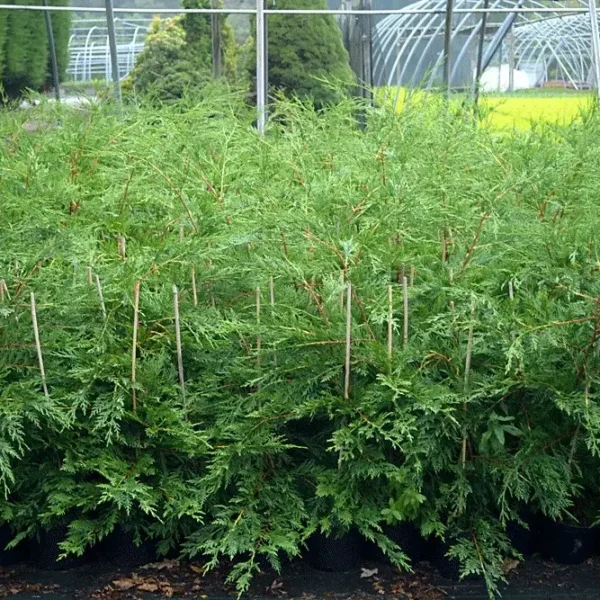
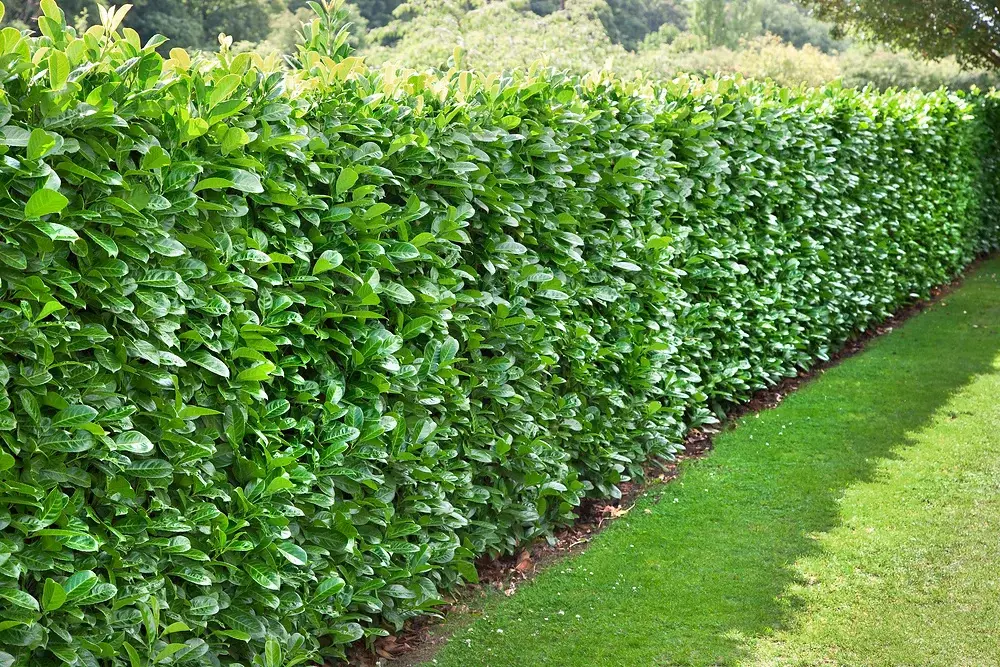
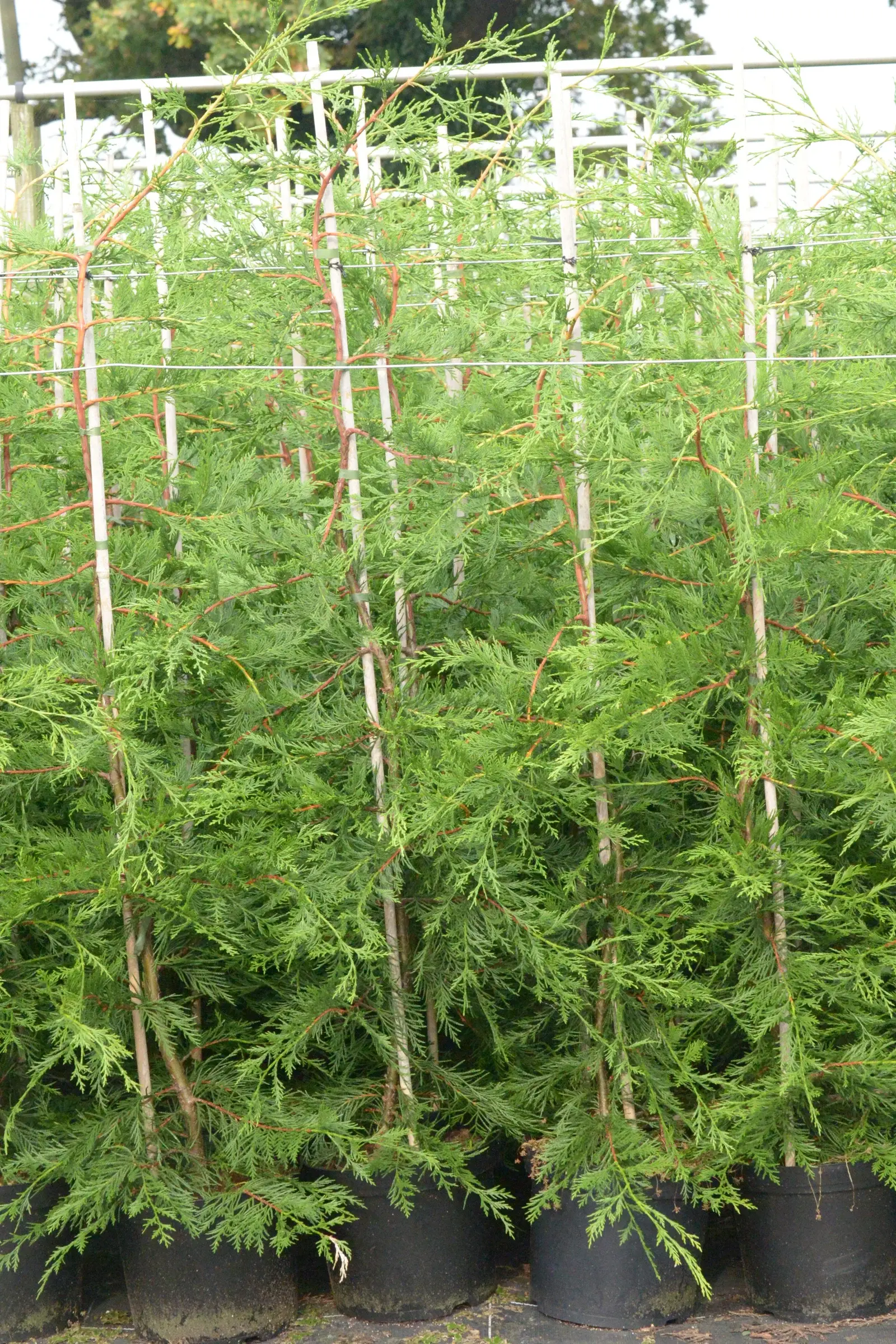
Cherry laurel's large, glossy leaves make a dense screen, provided there is room for its spreading growth. Green Leylandii puts on height faster but needs frequent trimming to keep the top and sides under control. English yew is slower but lives for decades and clips into a neat formal hedge. Holly gives you prickly security and red winter berries on female plants. Green beech holds its copper-brown leaves through winter and suits well-drained soils. Privet is semi-evergreen, tolerates most conditions and is easy to trim into a tidy hedge.
Compare the growth rates, eventual heights and planting densities in the table before deciding. A fast-growing hedge may give you cover sooner, but it also means more cutting. Check the available plant sizes and prices once you have settled on a species.
| Species | Growth per year | Eventual hedge height | Foliage | Plants per metre (single row) |
|---|---|---|---|---|
| Cherry laurel | 30 to 60cm | 2.5 to 5m | Evergreen | 2 to 3 |
| Green Leylandii | 60 to 90cm | 5 to 10m plus | Evergreen | 2 to 3 |
| English yew | 20 to 30cm | 2 to 10m | Evergreen | 2 to 3 |
| English holly | 20 to 40cm | 3 to 8m | Evergreen | 2 to 3 |
| Green beech | 30 to 60cm | 2.5 to 5m | Deciduous (holds brown leaves) | 3 to 5 |
| Privet | 30 to 60cm | 2 to 4m | Semi-evergreen | 3 to 5 |
Choosing sizes and quantities for your hedge
For a long boundary, smaller potted plants or bare root stock can cost less than buying larger plants. If you need a taller starting hedge, compare the available pot-grown and rootball sizes. Even established-looking plants need regular watering while their roots settle into the surrounding soil. Check the price per plant or pack, then work out the quantity from your measured length and the recommended spacing. The minimum order is separate from the number your garden needs.
Bare root plants are supplied in the dormant season, roughly November to March. They are lifted from the field and sent without soil around the roots, which makes them an economical way to plant a new hedge. Prepare a weed-free strip before the plants arrive, set them at the original soil level, water thoroughly and keep the root zone moist during dry spells.
Calculate the plant sizes and numbers you’ll need Getting the ground ready and planting your hedge
Planting around your hedge: shrubs and garden plants
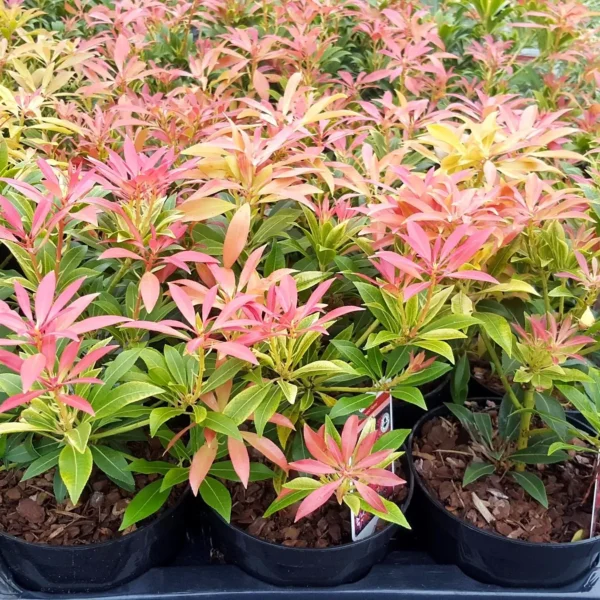
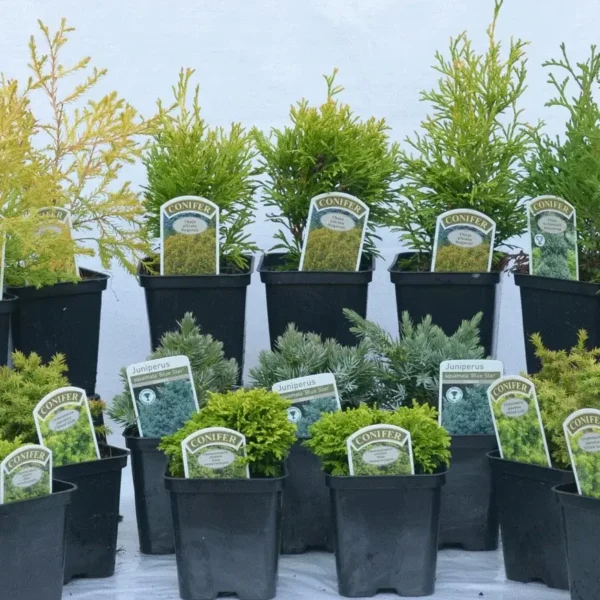
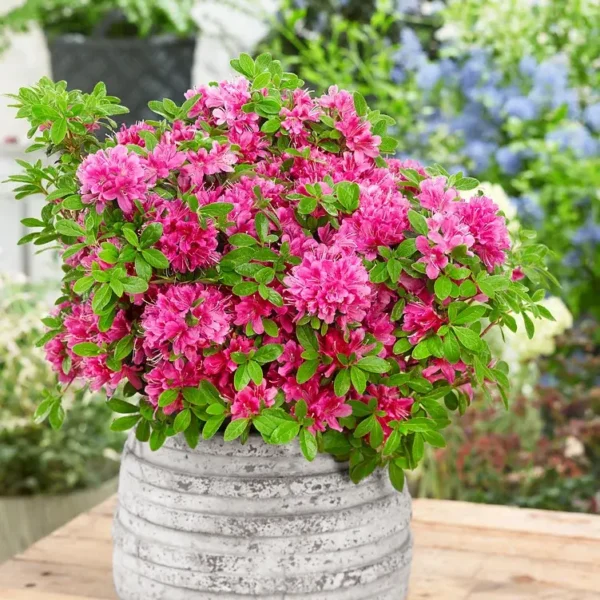
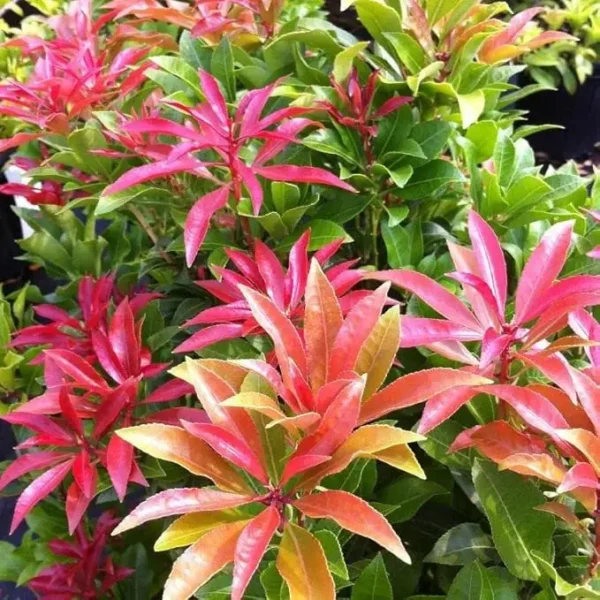
There is plenty to plant alongside a new hedge. Mixed dwarf conifers bring year-round shape to a border, while Japanese azaleas and dwarf rhododendrons flower in spring where the soil is acidic. Pieris Forest Flame produces vivid red young leaves that gradually turn green. Allow enough space for both the hedge and the border plants to mature, and remember that azaleas, rhododendrons and pieris need suitable acidic growing conditions.
Need a hand working out quantities or deciding between two hedge sizes? Call 0333 533 0162 with the length of your planting area, the height you want and the plants you are considering. We can help you compare the listed options before you order.
Shop evergreen shrubs for your garden Help your young plants establish Need a hand with your order?